Step + Stride Podiatry

Steps + Stride Slider
StepStride_Slider_001
previous arrow
next arrow
Step + Stride Podiatry

Resonance Step + Stride Podiatry in Remuera is situated along the ‘medical mile’, close to  Newmarket. On a major bus route, and train station nearby, accessibility couldn’t better. We have onsite parking.
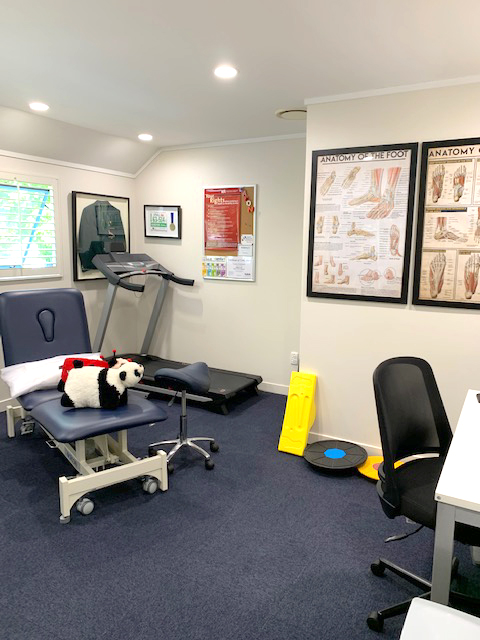
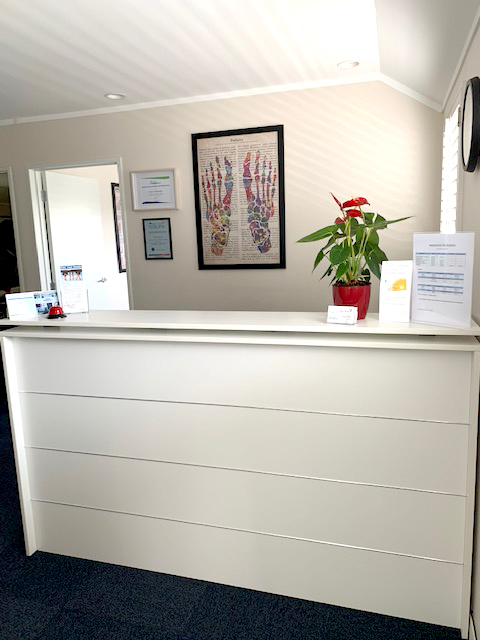
Step+Stride Clinic
Step+Stride Clinic

Over the years Caron has developed a special interest in children’s health and foot problems, sports injuries and biomechanical issues, hypermobility spectrum disorders and is excited about the opportunity to be part of Resonance Group, working with passionate Podiatrists, and
contributing to the supportive environment that the group offers.

Step + Stride Podiatry are now accepting referrals for the assessment of patients with suspected Ehlers-Danlos Syndrome  (EDS), including hypermobile EDS (hEDS).
Assessments will include a comprehensive clinical history and musculoskeletal examination, with consideration of relevant diagnostic criteria and differential diagnoses.

Where appropriate, I can also provide recommendations for further investigation or specialist referral.


Step + Stride Podiatry is a registered and accredited ACC provider.


Children's foot pain
Orthoses
Sports Injuries
Footwear
Pain and Injury
Foot Pain
Comfort Foot Care + Skin and Nail Care


ACC

As a registered ACC provider, orthotics, ankle and knee braces, and moonboots are free with a valid ACC claim.

Southern Cross

Easy-claim is available for those who have Southern Cross Healthcare Insurance for eligible services or treatments.


Caron Orelowitz

Caron Orelowitz, MNZM

MNZM Director / Podiatrist


Step + Stride Podiatry

Level 1/ 126A Remuera Road
Remuera
Auckland 1050

Satellite clinics at:

Westgate Medical Centre, Westgate Shopping Centre, 13E Maki Street, Massey.

Mangawhai Osteopathy, 1 Pearson Street, Mangawhai 0505

Ph:  (09) 212 9612
Contact us to make an appointment


    Children’s foot pain

    If your child is suffering from sore feet or legs, flat feet, heel pain, or if you have noticed they are tripping over, reluctant to walk or run, or have an underlying medical condition that can result in ongoing foot or gait problems, then book an appointment with us.

    Learn more.

    Foot orthotics

    Orthoses

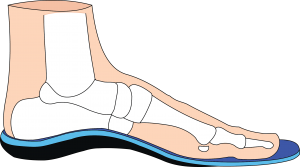
    Foot orthoses are prescribed customised inserts that are worn in your shoes to aid in the management of biomechanical imbalances, to improve function and reduce pain.

    Orthotics are manufactured using a range of techniques and materials in order to provide support for the foot by distributing pressure or realigning foot joints while standing, walking or running. As such they are often used by both the general population as well as athletes to relieve symptoms of a variety of soft tissue and musculoskeletal conditions.

    Resonance Podiatrists are dedicated to ensuring all components to the presenting pathology/injury are considered, to best apply the assessment findings, to ensure the final Resonance Dynamic Orthotic provides optimal functional management and the best possible patient outcomes.

    Learn more.

    What is Ehlers-Danlos Syndrome?

    Ehlers-Danlos Syndrome (EDS) is a group of connective tissue disorders that are generally inherited and are varied both in their genetic causes and how they affect the body. The most common characteristics are joint hypermobility (joints that move more than normal), skin hyperextensibility (skin that can be stretched more than normal), and tissue fragility (easy bruising, wounds taking longer to heal and scars that heal abnormally).

    Ehlers-Danlos Syndromes are currently classified into 13 subtypes (as of 2017) but by far the most common types are Hypermobile (hEDS) and Classical (cEDS). Each subtype has a set of clinical criteria that help guide with diagnosis.

    An individual’s experience with EDS is personal in terms of symptoms and severity and may not necessarily be the same as another person’s experience. Diagnostic criteria exist to help distinguish EDS from other connective tissue disorders, and one type of EDS from another. There are many more possible symptoms for each EDS type than are listed in the official criteria.  The symptoms listed here are the most common ones.

    Living with Ehlers-Danlos Syndromes (EDS) can be an incredibly challenging journey, often filled with misdiagnoses and misunderstood symptoms. EDS is a group of inherited connective tissue disorders that affect everything from your skin and joints to your blood vessels and internal organs. The hallmark of most types is joint hypermobility, but the condition is far more complex than that.

    A body with EDS can behave unreliably, and issues can be widespread and range in severity, from barely noticeable to life-threatening. It can appear as though a person has a large number of seemingly-unrelated symptoms. This is one reason why medical professionals not familiar with Ehlers-Danlos Syndromes have trouble recognising the varied symptoms as all related to ‘one cause’. It may take decades to get properly diagnosed. Misdiagnoses of Arthritis, Fibromyalgia and Chronic Fatigue Syndrome are common because many of the symptoms, especially joint and muscle pain, chronic fatigue, headaches, autonomic dysfunction, and other symptoms overlap with those of EDS.


    Understanding Ehlers-Danlos Syndromes
    EDS is caused by faults in the structure or processing of collagen, the “glue” that holds your body together. This can lead to a wide and varying range of symptoms, including:

    • Significant joint hypermobility, with frequent and painful subluxations or dislocations.
    • Soft, fragile skin that may bruise or tear easily.
    • Chronic, widespread musculoskeletal pain and debilitating fatigue.
    • Autonomic dysfunction, such as Postural Orthostatic Tachycardia Syndrome (POTS), causing dizziness and fainting.
    • Gastrointestinal problems and other systemic issues.

    What are the symptoms of Ehlers-Danlos Syndromes?
    The hallmark clinical manifestations of an Ehlers-Danlos Syndrome are most often joint and skin related and may include:

    Joints: Joint hypermobility (they move beyond the joint’s normal range); loose/unstable joints which are prone to frequent spraining, dislocations and/or subluxations (coming out of place but not dislocating); joint pain; early onset of osteoarthritis.
    Skin: Soft velvety-like skin; stretchy skin (most associated with Classical EDS); fragile skin that tears or bruises easily (bruising may be severe); severe or unusual scarring; slow and poor wound healing.
    Miscellaneous/Less Common: Chronic, debilitating musculoskeletal pain (especially associated with Hypermobile EDS); fatigue/tiredness; gastrointestinal problems (Irritable Bowel Syndrome, etc); mitral valve prolapse, and heart arrhythmia, scoliosis; hernias; poor response to local anaesthetic;
    arterial/intestinal/uterine fragility or rupture (life threatening and most commonly associated with Vascular EDS).
    Other conditions such as POTS (Postural Orthostatic Tachycardia Syndrome – heart rate increases when standing up, often manifesting as fainting or dizziness), blood pressure changes (often related to dysautonomia issues), MCAD/MCAS (Mast Cell Activation Disorder – sometimes severe and
    unusual allergy symptoms) are commonly associated with EDS, but are not definitive for diagnosis.

    What are Hypermobility Spectrum Disorders (HSD)?
    Hypermobility Spectrum Disorders (HSD) are a group of conditions related to Generalised Joint Hypermobility (GJH). HSD is diagnosed if a patient has GJH with pain and doesn’t fulfil the criteria for Hypermobile EDS.

    When do EDS symptoms appear?
    Types and severity of symptoms vary for each individual. Although some EDS symptoms can appear in infancy or early childhood, it is more common to start noticing symptoms from the teenage years. Joint pain and dislocations/subluxations are often the first symptoms that start requiring attention.

    Many with EDS were once very good at sport or activities that required hypermobility (e.g, gymnastics and ballet) and developed frequent injuries and increasing joint and muscle pain as a result. However, perhaps the most common situation is someone in adulthood who has had pain and other symptoms for many years without answers, or has been diagnosed with other conditions that don’t quite make sense.

    How is Ehlers-Danlos Syndrome and Hypermobility Spectrum Disorder
    diagnosed?
    If you think you might have Ehlers-Danlos Syndrome (EDS) or Hypermobility Spectrum Disorder (HSD), ask your GP if such a diagnosis might fit your symptoms. A double appointment may be helpful to provide adequate time for a detailed discussion. It is quite possible that your GP will have not heard of EDS before, or knows little about it.

    The importance of a diagnosis
    A correct diagnosis is important because, although EDS/HSD are not curable, many symptoms are treatable. Knowing the type of EDS/HSD gives you and your medical support team some idea of where problems might come from and why they are happening. Prevention of further injury by avoiding certain activities and strengthening of key muscles can also be a helpful strategy once a
    diagnosis has been made. A diagnosis is also helpful to avoid complications for those patients who may need to consider surgery.

    The more patients that are diagnosed with EDS will help the EDS movement worldwide. As the numbers increase, more education and awareness will happen, increasing the likelihood of expanded research that might lead to finding key treatments, and even a cure.

    At Step + Stride Podiatry we provide a safe, knowledgeable, and collaborative environment for managing the musculoskeletal component of your EDS symptoms. We see you, we hear you, and we understand that your needs are unique.

    Sports injuries

    Having completed a Post Graduate Diploma in Sports and Exercise Medicine, and undertaken the Podiatry New Zealand Sports Accreditation Programme, here at Resonance Step + Stride Podiatry, we are able to treat ‘weekend warriors’, budding athletes, and those who take their sports and exercise more seriously. Working together with Sports Physicians, Physiotherapists, Osteopaths, and other professionals, our aim is to get you back on track.

    Learn more.

    Shoes are now available to order at most resonance clinics

    Footwear ranges

    Dr Comfort

    The Finest Quality Comfort Footwear Period! Read more about Dr Comfort

    Vionic

    Vionic® brings together the best of science and style. Read more about Vionic Footwear

    Revere Comfort Shoes

    All day comfort and support, with a removable foot-bed for those required to wear custom made orthotic devices. Read more about Revere Sandals

    There are many factors that can cause foot and leg pain and injury. Resonance podiatrists assess abnormalities in foot and leg biomechanics and movement, as well as your sport specific techniques, surfaces and footwear when determining the causes of, and the management plan for your sports injury.

    Sports Injuries are most often related to repetitive overuse. These may present in the form of foot, arch or heel pain, calf or Achilles pain, shin pain, or knee pain, and are often linked to postural or structural imbalances causing dynamic overloading of certain structures during sport.
    At resonance, our podiatrists will assess your biomechanics, gait, joint movement, strength and footwear, and provide you with a clear plan to help improve performance, reduce the risk of future injuries and assist in rehabilitating you back into your chosen sport following a lower limb injury.
    All resonance podiatrists are ACC registered and hold an ACC contract for the funding of foot orthoses as part of the management plan following an accident.

    Injury rehabilitation

    At resonance we can help to identify causative factors which may have contributed to your injury, and work with you to adjust your gait, function or running style, change loading patterns, strengthen and mobilise and provide evidence based education to help improve your efficiency and reduce the likelihood of you becoming injured again.

    Resonance sports podiatry provides expertise in diagnosis of foot and lower limb problems as well as individualised treatment plans including: joint mobilisation, massage and trigger point therapy, advanced dynamic orthotic therapy, exercise and footwear prescription for the elite, amateur and young athletes, as well as those who have sustained injuries in day to day life.
    Whatever you sport we can help you get back to your best!

    Learn more.

    Foot pain

    With a wealth of knowledge and experience we are able to diagnose and treat all foot problems – from heel pain to the conservative management of bunions – whether with orthotics, footwear, or simple exercises we can help you walk pain free.

    Learn more.

    Skin and Nail Care

    We treat all manner of skin and nail conditions including:

    • Ingrown toenails (both conservative management or surgical management options available)
    • Fungal nail and skin infections
    • Acute toenail damage
    • Corns
    • Calluses
    • Verrucae or plantar warts
    • Dry or cracked heels and feet
    • Blistering
    • Diabetes related foot pain

    We know you might be nervous about receiving treatment on your feet, especially if they are already in pain or if you feel embarrassed about their appearance. We always take the utmost care to ensure that you are comfortable from beginning to end of your treatment, and leave feeling more confident and more comfortable with your feet.

    If we are unable to diagnose or provide suitable management options for your skin or nail condition, we can refer you to an appropriate medical specialist such as a dermatologist.

    We also know that the way that your feet look is as important as the way that they feel, so Bronwyn, Katie and their team developed the Resonance Podicure®.

    Caron OrelowitzAuckland

    Resonance Step & Stride Podiatry

    Caron Orelowitz is an Auckland-based Podiatrist with over 25 years of clinical experience. Originally from Johannesburg, South Africa, she graduated as a Podiatrist before immigrating to New Zealand
    in 1997. She went on to complete a Postgraduate Diploma in Sports and Exercise Medicine at the University of Otago (2016) and a Master of Philosophy (MPhil) at Auckland University of Technology (2023).

    Caron has a special interest in both adult and paediatric foot health, sports injuries, biomechanical issues, and connective tissue disorders such as Ehlers-Danlos Syndrome (EDS) and Hypermobility Spectrum Disorders (HSD). She is a certified member of The Ehlers-Danlos Society CORE Network of Excellence (Aotearoa Network).

    Her clinics are based in Remuera and Westgate, with a satellite clinic in Mangawhai.

    Professional Contributions and Recognition

    Caron is an active member of professional organisations, including Podiatry New Zealand, the New Zealand Sports Medicine Association, the New Zealand Wound Care Society, and the New Zealand Society for the Study of Diabetes. She also holds memberships with several Australian podiatric and sports medicine bodies and serves on the Clinical Advisory Panel for Ehlers-Danlos Syndromes New Zealand.

    Throughout her career, Caron has contributed significantly to the advancement of podiatry in New Zealand. She served on the Board of Podiatry New Zealand (2007–2021), developed the organisation’s Clinical Handbook (2016), and worked as a consultant for the Auckland City Council Health and Hygiene By-law. In recognition of her contributions to the profession, she was appointed
    a Member of the New Zealand Order of Merit (MNZM) in 2021. She was also awarded Life Membership of Podiatry New Zealand the same year.

    Now accepting referrals for the assessment of patients with suspected Ehlers-Danlos Syndrome  (EDS), including hypermobile EDS (hEDS).

    Assessments will include a comprehensive clinical history and musculoskeletal examination, with consideration of relevant diagnostic criteria and differential diagnoses. Where appropriate, I can also provide recommendations for further investigation or specialist referral.

    Podiatry NZ

    Sports Medicine New Zealand Inc

    Sports Podiatry NZ

    Sports Medicine Australia

    Caron is a proud member of Podiatry New Zealand,  Sports Medicine New Zealand and Sports Medicine Australia.